
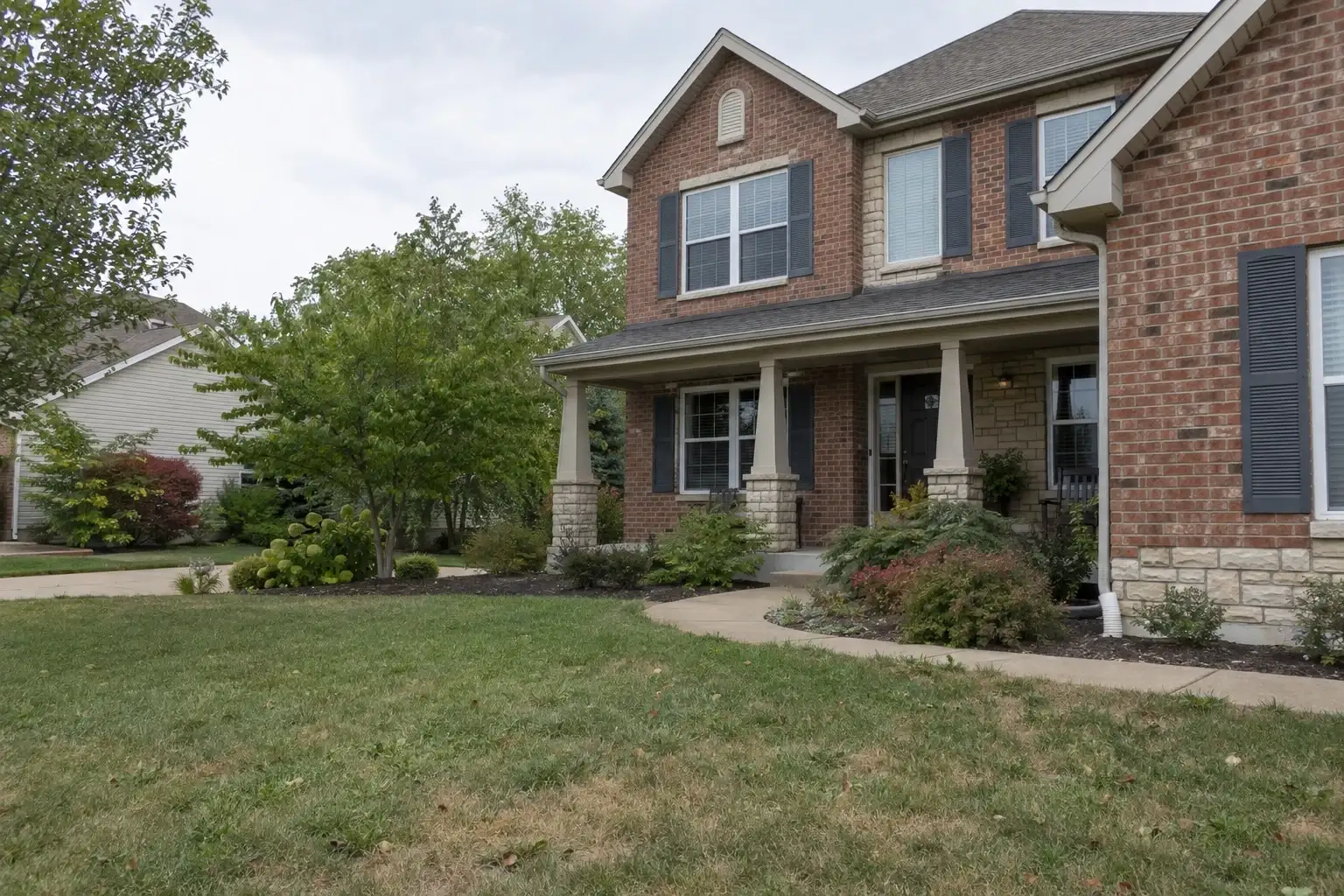
Two-story brick home with limestone accents and a covered front porch in a Missouri suburb

Brick · Block · Stone · Chimneys

Masonry Contractor in St. Peters, MO

Tuckpointing, brick and masonry repair, restoration, chimney work, new walls, and stonework for homes in St. Peters and across the St. Louis area.

Repair, restoration, or something new?

Three kinds of masonry work, three different conversations. Knowing which one you need makes estimates easier to compare.

Repair

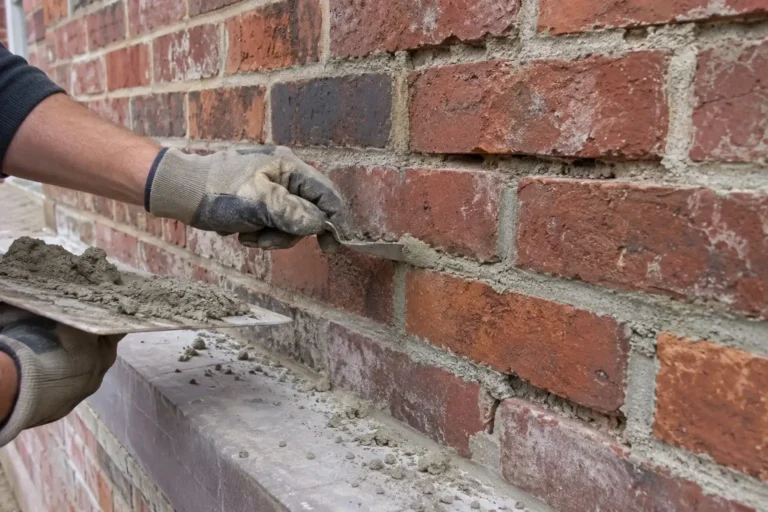
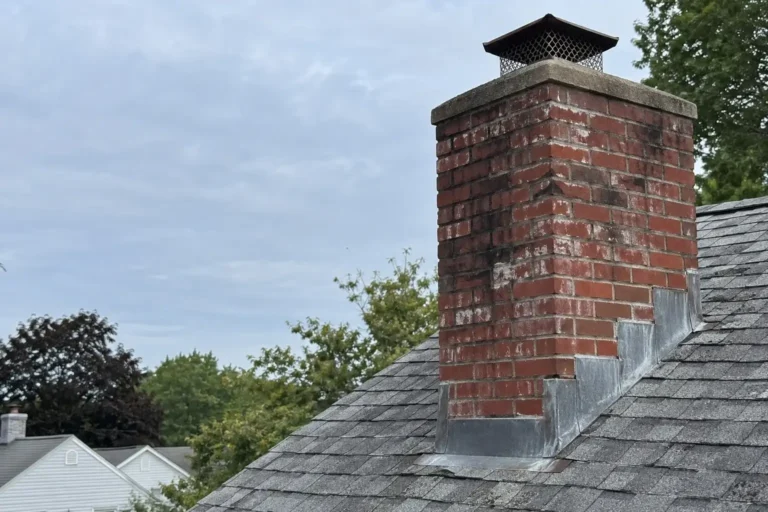
Fixing a specific problem: failing joints, cracked or spalled brick, a loose step, a leaking chimney. Targeted work, and usually the fastest route back to a sound wall.

Masonry & brick repair →

Restoration

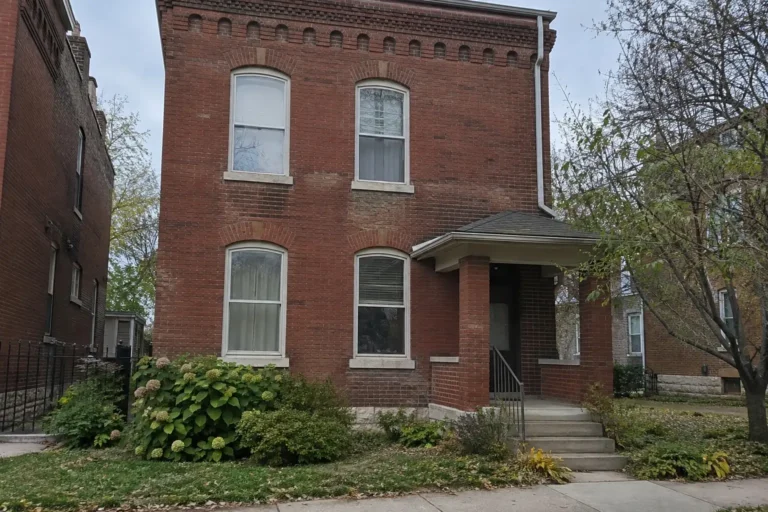
A coordinated plan for aging or historic masonry with several problems at once, cleaning, compatible repointing, replacement, and rebuilding in the right order.

Masonry restoration →

New construction

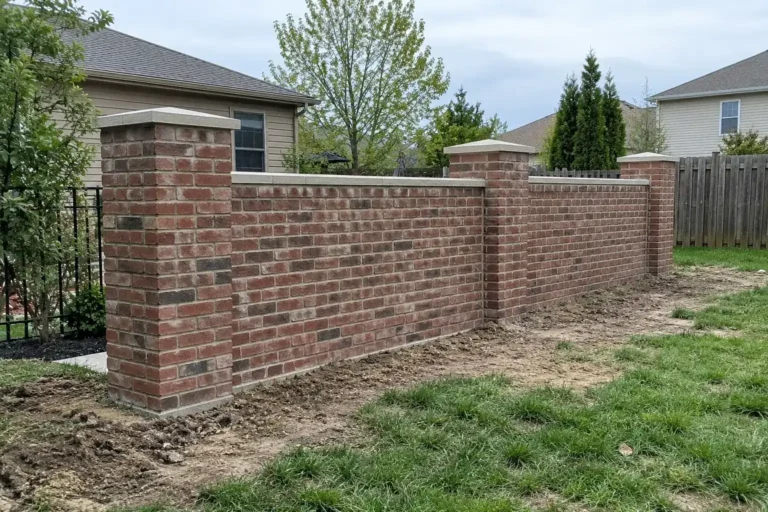
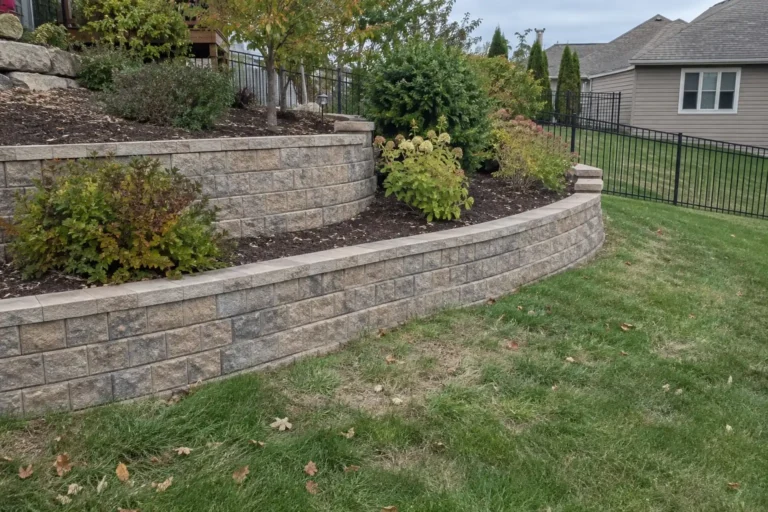
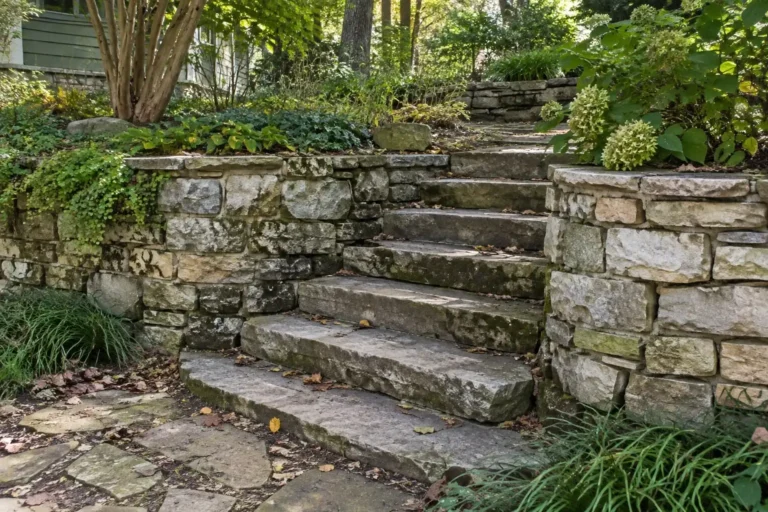
New brick and block walls, columns, mailboxes, retaining walls, and stone features, built on proper footings with the drainage they need.

Brick & block walls →

Still not sure? Read masonry repair vs. restoration.

How it works

Call or request an estimate

Tell us what you’re seeing. Photos help. Call (636) 246-7239 or use the estimate form.

On-site assessment

We look at the masonry and, just as importantly, at what’s causing the damage.

Written scope

You get a written estimate describing the work, materials, and mortar choice.

Work and walkthrough

We complete the work, clean up, and walk through the finished job with you.

Why homeowners call St. Peters Masonry

Mortar matched to your brick

Mortar is chosen for compatibility with your brick, not just strength, so repairs protect the wall instead of stressing it.

The cause, not just the symptom

Every estimate looks at why the damage happened (water, movement, or the wrong materials) so the repair lasts.

Options explained plainly

Where there’s a choice between spot repair, larger repair, or rebuilding, we explain the trade-offs so you can decide with the full picture.

Licensed, insured, and bonded

St. Peters Masonry is licensed, insured, and bonded. Missouri doesn’t issue a statewide masonry or general contractor license. Contractors are licensed locally, by the cities and counties where they work.

What St. Peters homes are up against

St. Peters weather and masonry

Eastern Missouri gets hot, humid summers, wet springs, and winters that move above and below freezing many times. That pattern is hard on masonry. The City of St. Peters’ building code guide lists the area’s weathering exposure as "severe", the category codes use where freeze-thaw conditions call for more durable masonry.

Water is the common thread. Rain soaks into joints, brick faces, chimney crowns, and the soil behind retaining walls, and freezing weather turns that moisture into damage.

Housing and masonry in St. Peters

St. Peters had 486 residents in 1970, about 15,700 by 1980, and more than 40,000 by 1990, according to the city. So most of its homes were built from the 1970s onward, many with brick fronts or all-brick exteriors.

Homes from those decades are now old enough for original mortar joints, chimney crowns, lintels, and brick veneer details to need attention.

Permits and structural masonry work

Routine repairs such as repointing and replacing damaged brick generally don’t need a building permit. Larger work can. Under the building code St. Peters has adopted, retaining walls over 4 feet (measured from the bottom of the footing to the top of the wall), or walls supporting a load such as a driveway or slope, need a permit. The city’s zoning code also limits residential fences and walls, including masonry ones, to six feet.

Requirements depend on the scope of the project, so confirm with the City of St. Peters before starting new walls or structural work.

What St. Peters homeowners should know about masonry

Six questions we hear often, answered properly.

Why does white powder appear on brick after rain?

That white, chalky deposit is efflorescence. Water moving through brick and mortar dissolves salts in the masonry and carries them to the surface. When the water evaporates, the salts stay behind.

The powder itself usually isn’t harmful and often brushes off. What matters is that water is getting in. If it keeps coming back, look for open mortar joints, a cracked chimney crown, an overflowing gutter, or a downspout soaking the wall.

How do Missouri freeze-thaw cycles affect brick and mortar?

Brick and mortar are porous. Rain and melting snow soak into joints, cracks, and the face of the brick. When temperatures drop below freezing, that water expands as it turns to ice and pushes against the material around it. Then it thaws, soaks in a little deeper, and freezes again.

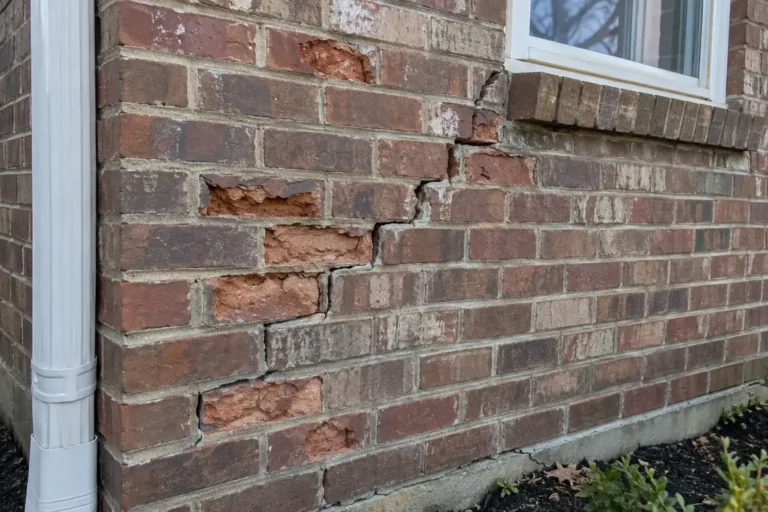
Over many winters, that cycle cracks mortar, flakes the faces off bricks (spalling), and loosens caps, steps, and chimney tops. The most exposed masonry fails first. See how freeze-thaw damages masonry.

When is a good time of year for masonry repair?

Mortar needs moderate temperatures and some moisture to cure properly. Cold is the main problem: mortar shouldn’t be placed when it’s near freezing or when a hard freeze is expected before it has set. Very hot, dry, windy days are a problem too, because mortar can dry out before it cures.

In practice, mild weather is the easiest time. Urgent repairs can be done in colder or hotter conditions with precautions like covering, heating, shading, or misting the work.

Why does choosing the correct mortar matter?

Stronger mortar isn’t automatically better. Mortar should be compatible with the brick: similar in how it moves, and ideally a little softer and more breathable, so it takes the wear and can be replaced later.

When mortar is harder than the brick, the stress from temperature changes and trapped moisture goes into the brick instead, and the edges and faces start to break off. This is a common problem on older, softer brick that was repointed with modern cement mortar. See masonry restoration.

Which masonry cracks deserve attention?

Not every crack is a structural problem. Hairline cracks from shrinkage or minor settlement are common and often just need repointing.

Cracks that keep growing, wide stair-step cracks, bulging or leaning walls, cracks that climb from the corners of windows and doors, and cracks that return after being repaired deserve a closer look. A professional assessment, sometimes including a structural engineer, is the right step before any cosmetic repair. See masonry repair.

When does masonry work require a permit?

It depends on the type and scope of the work. Like-for-like repairs usually don’t. New structures, taller retaining walls, and structural rebuilding often do. Historic districts in nearby cities, including St. Charles and the City of St. Louis, can also require review of exterior work.

Check with your city before starting anything structural. We’ll tell you when a job is likely to need a permit.

A simple masonry maintenance checklist for St. Peters homes

Check masonry after winter

Walk around the house once winter is over. Look for new cracks, open or recessed mortar joints, flaking brick, loose brick at steps and wall caps, and gaps where steps meet the house. Look at the chimney from the ground (binoculars help) for missing mortar or a cracked crown.

Control water before repairing masonry

Most masonry damage starts with water, so fix the water first. Keep gutters clear and downspouts discharging away from walls. Slope soil and mulch away from the house. If you have brick veneer, keep its weep holes open and above the mulch line. If you have a retaining wall, make sure its drain outlet isn’t buried or clogged.

Small problems that are easier to fix early

A few recessed joints, an isolated spalled brick, a hairline crack in a chimney crown, or a single loose step tread are small repairs. Left for several winters, they let water into the surrounding masonry and turn into bigger ones.

Problems worth a closer professional look

Stair-step cracks that are growing, walls that bulge, retaining walls that lean more after heavy rain, large areas of brick veneer pulling away, and cracks that keep coming back after repair all point to movement or water problems that should be assessed before anything is patched.

Before you hire a masonry contractor

A few questions tell you a lot about any estimate, including ours:

  • What’s causing the damage, and does the estimate fix that too?
  • What mortar will be used, and why is it right for this brick?
  • How deep will joints be cut out, and how will replacement brick be matched?
  • Who handles permits or HOA approval if they’re needed?
  • Is the contractor licensed for your city or county, insured, and bonded? Missouri has no statewide masonry license, so licensing is local.
  • Is anyone recommending a sealer instead of repairing open joints? That’s a red flag.

Serving St. Peters and nearby communities

Based in St. Peters, we work across St. Charles County and into west, north, and central St. Louis.

Masonry questions from St. Peters homeowners

What does a masonry contractor do?

A masonry contractor builds and repairs structures made of brick, concrete block, and stone. For homes, that usually means tuckpointing, brick and block repair, chimney work, new walls and retaining walls, stonework, and brick veneer.

How much does masonry work cost?

It depends on the size of the area, access and height, material matching, and whether an underlying water or structural problem needs fixing too. Because no two jobs are alike, we don't publish set prices, each estimate is written for your specific project. Every service page has a cost-factors section explaining what drives the price.

Do I need tuckpointing or brick repair?

If the mortar between bricks is crumbling or recessed, you need tuckpointing. If bricks themselves are cracked, spalling, or loose, you need brick repair. Many walls need a little of both.

What happens if I put off tuckpointing?

Open joints let water into the wall. Each winter that water freezes and damages the brick around it, so a repointing job slowly turns into brick replacement. Catching joints early is the cheapest masonry repair there is.

What areas do you serve?

St. Peters, plus St. Charles, O'Fallon, Wentzville, Chesterfield, Ballwin, Wildwood, Florissant, University City, and St. Louis. See all service areas.

Are you licensed and insured?

Yes. St. Peters Masonry is licensed, insured, and bonded. Missouri doesn't issue a statewide masonry or general contractor license. Contractors are licensed locally, by the cities and counties where they work.

Talk to a mason about your project

The fastest way to get answers is a phone call. Mon to Sat, 8 AM to 6 PM · Sun, 10 AM to 2 PM

Prefer to write? Send a message

For the quickest answer, call (636) 246-7239. Otherwise, leave your details and we’ll get back to you.

Hours
Mon to Sat, 8 AM to 6 PM
Sun, 10 AM to 2 PM
Call now: (636) 246-7239